What qualifications should a mold removal company have?
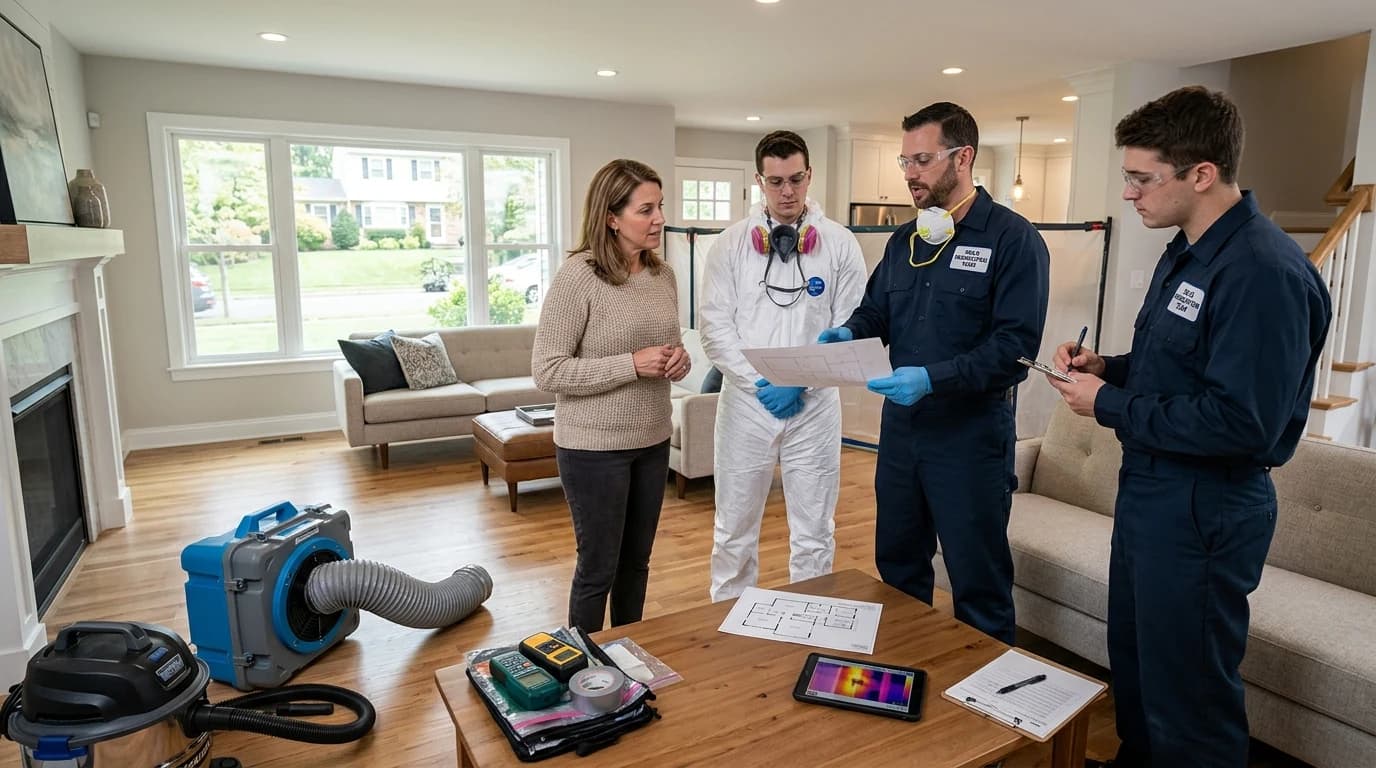
A reputable mold removal company should be certified by recognized industry organizations such as the IICRC (Institute of Inspection, Cleaning and Restoration Certification) or NORMI (National Organization of Remediators and Mold Inspectors). These certifications ensure that the company follows industry-standard protocols and possesses the necessary expertise to handle mold safely and effectively. Certified professionals are trained in the latest techniques and use state-of-the-art equipment to identify and remove mold from your home. Additionally, check if the company is insured and bonded. This is crucial as it protects you from any liabilities during the remediation process, such as accidental damage to your property or worker injuries. A fully insured company demonstrates professionalism and a commitment to safeguarding their clients’ interests.
What questions should you ask before hiring?
Before hiring a mold removal company, it’s essential to ask a series of questions to gauge their expertise and reliability. Start by inquiring about the company's experience with projects similar to yours, particularly if you have specific concerns like mold in HVAC systems or crawl spaces. Ask them to detail their process for mold removal, including the types of equipment and cleaning agents they use. This can give you insights into their level of professionalism and adherence to safety standards. Furthermore, inquire about the timeline for completion. Understanding how long the process will take helps you plan accordingly, especially if you need to vacate your home temporarily. Post-remediation testing is another critical aspect. Ask whether they provide this service to ensure the effectiveness of their work. This testing should be conducted by a third-party to maintain objectivity and reliability. Transparency is key, so ensure they provide a detailed estimate and scope of work. This document should outline all costs, including labor, materials, and any potential additional expenses. Having a clear understanding of the financial commitment will prevent surprises later on. Finally, ask for references or testimonials from previous clients. A reputable company will have a history of satisfied customers willing to vouch for their services.
Why is local knowledge important?
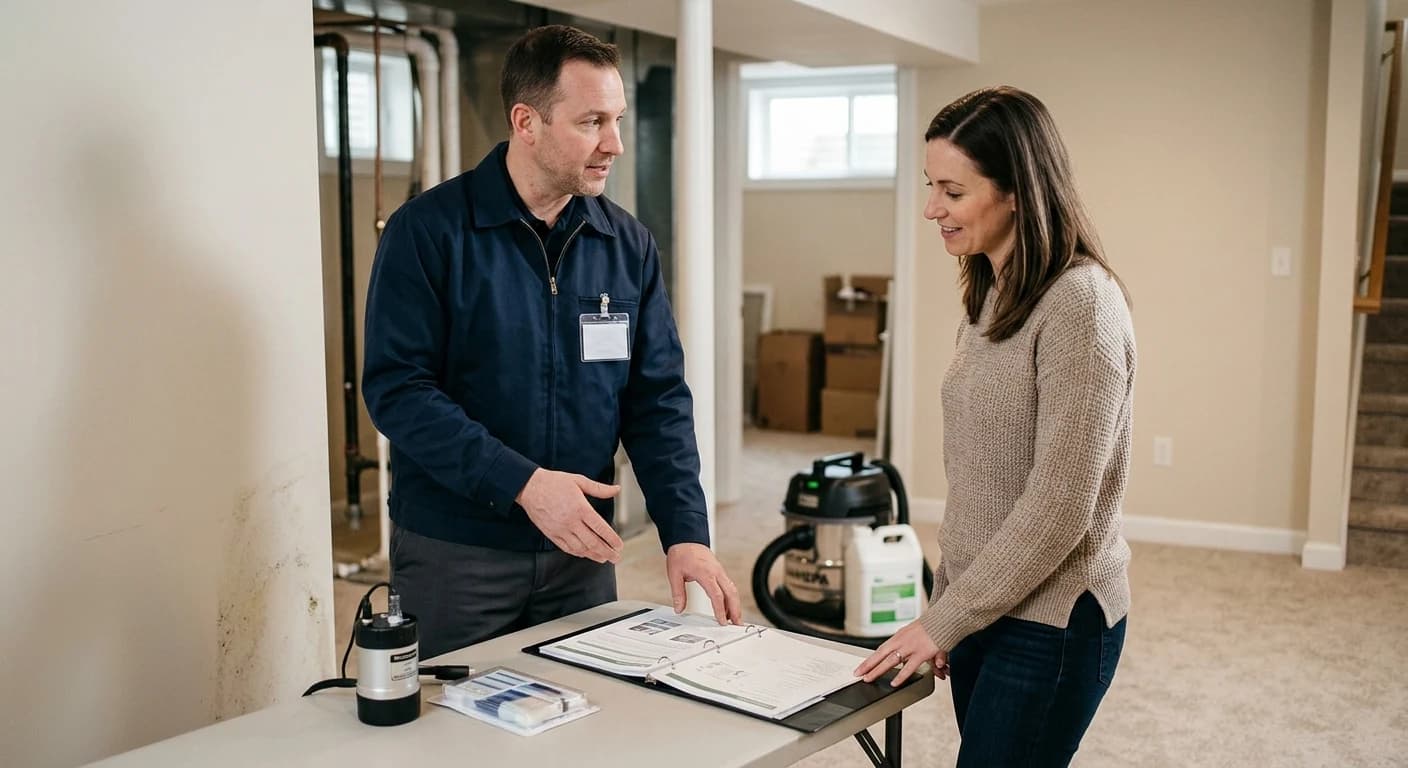
Choosing a company familiar with Glen Rock’s specific climate and building types can be highly beneficial. Local companies understand the common mold issues in New Jersey homes, such as those caused by humid summers or wet winters, and can tailor their approach accordingly. For instance, they might be more adept at identifying mold in basements or attics, which are prevalent problem areas in the region. Furthermore, local companies are often more accessible for follow-up services and consultations. They can quickly respond to any concerns or additional treatment needs you might have, ensuring a more seamless and supportive customer experience. In addition, a company with local knowledge is more likely to be aware of Glen Rock's municipal regulations and guidelines regarding mold remediation. This knowledge ensures compliance with local laws, helping you avoid potential legal issues. Lastly, supporting local businesses contributes to the community's economy, fostering growth and sustainability. When you choose a local mold removal company, you're not only ensuring quality service for your home but also supporting the broader Glen Rock community.
How to Evaluate a Mold Removal Company’s Reputation?
To ensure you choose a reputable mold removal company, start by conducting thorough research on their reputation. Begin with online reviews and ratings on platforms such as Google, Yelp, and the Better Business Bureau. Look for patterns in feedback to assess the consistency of their service quality. A company with numerous positive reviews and high ratings is likely to provide reliable service. However, pay attention to how they respond to negative reviews. A professional company will address complaints constructively and offer solutions, demonstrating a commitment to customer satisfaction. Additionally, check if the company has received any industry awards or recognitions, which can be an indicator of their expertise and dedication to high standards. Don’t hesitate to ask the company for references from past clients. Speaking directly with previous customers can provide valuable insights into the company’s work ethic, punctuality, and effectiveness in mold removal. Lastly, consider the company’s longevity in the business. A company with several years of experience is often more reliable, as they have a proven track record and have weathered various challenges in the industry. By thoroughly evaluating a company’s reputation, you can make a more informed decision and ensure a successful mold remediation process.
What to Expect During the Mold Removal Process?
Understanding the mold removal process can help you prepare and set realistic expectations. Initially, the company will conduct a thorough inspection to assess the extent of mold growth and identify the source of moisture contributing to the problem. This step is crucial as it ensures that all affected areas are addressed, preventing future mold issues. Once the inspection is complete, the company will develop a detailed remediation plan tailored to your specific situation. This plan should include the steps for containment, removal, and prevention. During the removal phase, technicians will use specialized equipment such as HEPA vacuums and air scrubbers to eliminate mold spores and improve air quality. They may also use antimicrobial treatments to disinfect surfaces and prevent regrowth. It’s important to note that some areas of your home may need to be sealed off to prevent mold from spreading during the process. Communication is key, so expect regular updates from the company on their progress and any additional findings. After the mold has been removed, a final inspection or post-remediation testing should be conducted to ensure the effectiveness of the treatment. This step provides peace of mind, confirming that your home is safe and mold-free. By understanding these stages, you can better collaborate with the mold removal company and ensure a successful outcome.
How to Compare Cost Estimates Effectively?
When evaluating mold removal companies, comparing cost estimates is a crucial step. Start by requesting detailed written estimates from at least three different companies. These estimates should break down the costs of labor, materials, and any additional services, such as post-remediation testing or follow-up visits. Pay attention to the scope of work outlined in each estimate to ensure you are comparing similar services. A lower price might seem appealing, but it could indicate subpar service or the omission of essential steps in the remediation process. Conversely, a higher estimate doesn’t always guarantee superior service, so scrutinize the details. Ask each company to explain any significant discrepancies or unique line items in their estimates. This will help you understand the value they provide and whether their approach aligns with industry standards. Additionally, consider the payment terms and any available warranties or guarantees. A reputable company should offer a clear payment schedule and stand by their work with a satisfaction guarantee or warranty. By thoroughly comparing estimates and asking the right questions, you can make an informed decision that balances cost with quality, ensuring effective mold remediation without breaking the bank.
The Importance of Post-Remediation Testing
Post-remediation testing is a vital step in the mold removal process that ensures the effectiveness of the remediation efforts. Once the mold removal company has completed their work, an independent third-party should conduct this testing to verify that all mold has been successfully eliminated and that the indoor air quality has returned to safe levels. This testing typically involves air sampling and surface testing in previously affected areas. It's important to choose a company that includes post-remediation testing as part of their service package or can recommend a reliable third-party tester. The results of these tests provide valuable documentation that the mold problem has been resolved, which can be particularly important if you plan to sell your home in the future. In Glen Rock and other areas with humid climates, ensuring thorough testing is crucial to prevent recurrence. Moreover, post-remediation testing offers peace of mind, confirming that your living environment is safe for you and your family. Always discuss the specifics of this testing with your chosen mold removal company before starting the remediation process to ensure transparency and a mutual understanding of expectations. By prioritizing this step, you can safeguard your home against future mold issues and maintain a healthy living space.